
R&D Tax Incentive · Eligibility
Do you have eligible R&D? Probably more than you think — and less than some advisers claim.
The program is self-assessed: you decide what qualifies, and you carry the risk if it does not. Here is the technical test our grant specialists apply before anything is registered.
The core activity test
Four questions. All need a yes.
Was the outcome unknown at the start?
Could a competent professional in your field have known or worked out the answer from existing knowledge? If yes, it is not R&D.
Did you work systematically?
Hypothesis, experiment, observation and evaluation, leading to a logical conclusion — and evidence that this is what happened.
Was it grounded in established science?
The experiments must rest on principles of established science, engineering or computing.
Was the purpose new knowledge?
Including new or improved materials, products, devices, processes or services. Supporting activities directly related to the experiments can also be claimed.
Often qualifies
In the industries we know
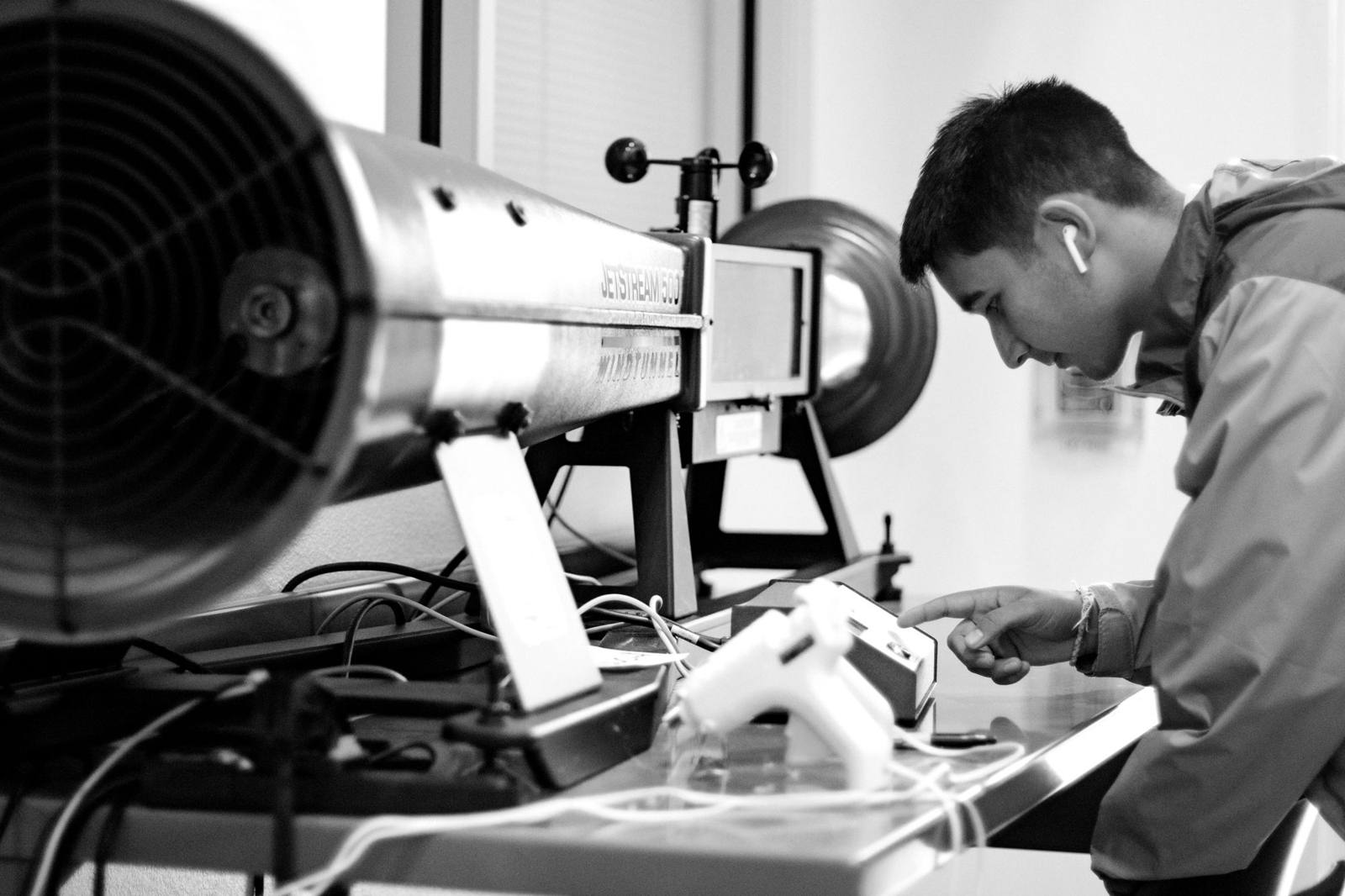
Manufacturing — process trials, new tooling or materials, prototypes that did not work.
Pharmaceuticals — formulation and stability experiments, new analytical methods.
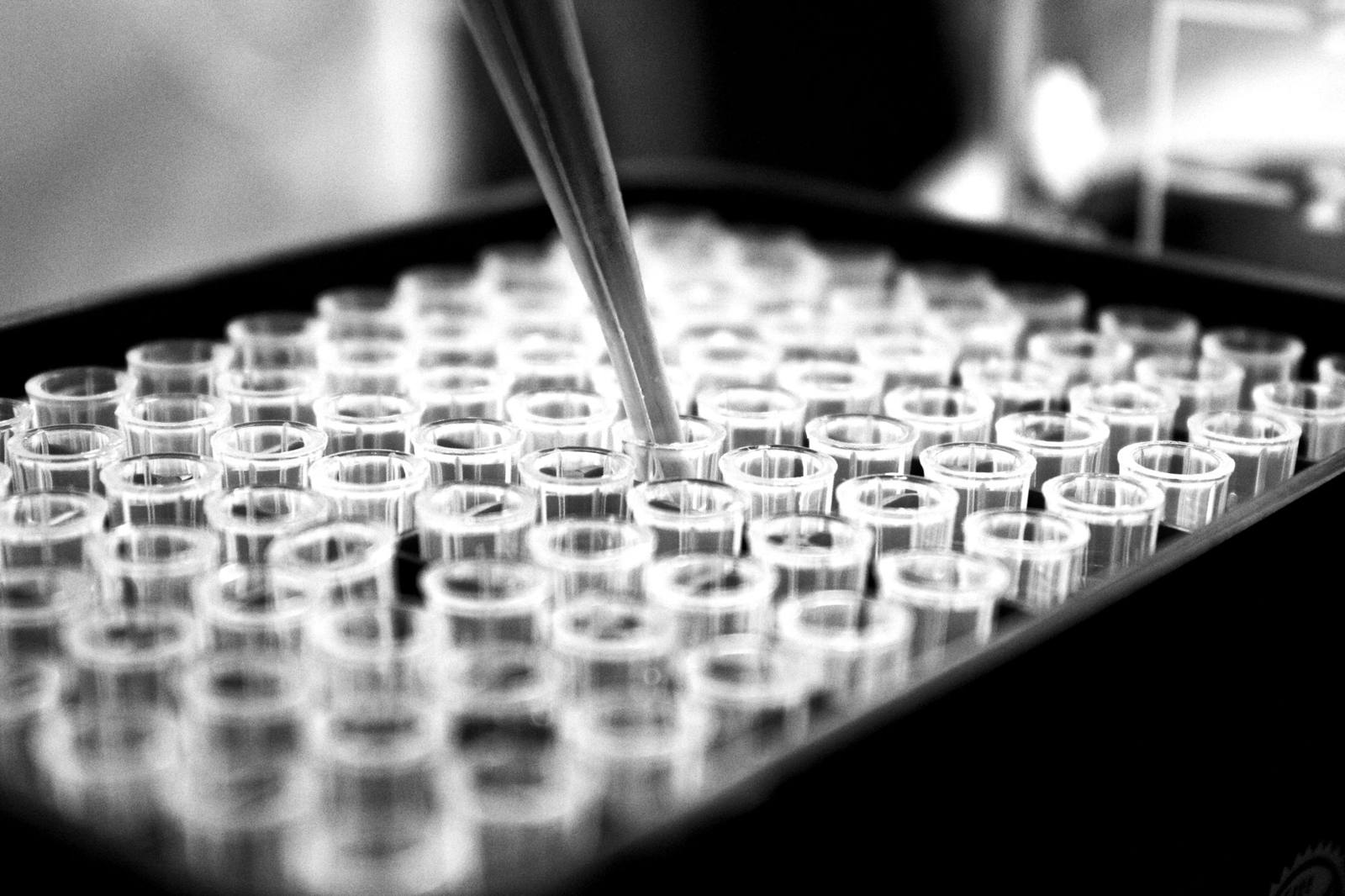
Biotech — developing new assays, strains or processes where the outcome cannot be known in advance.
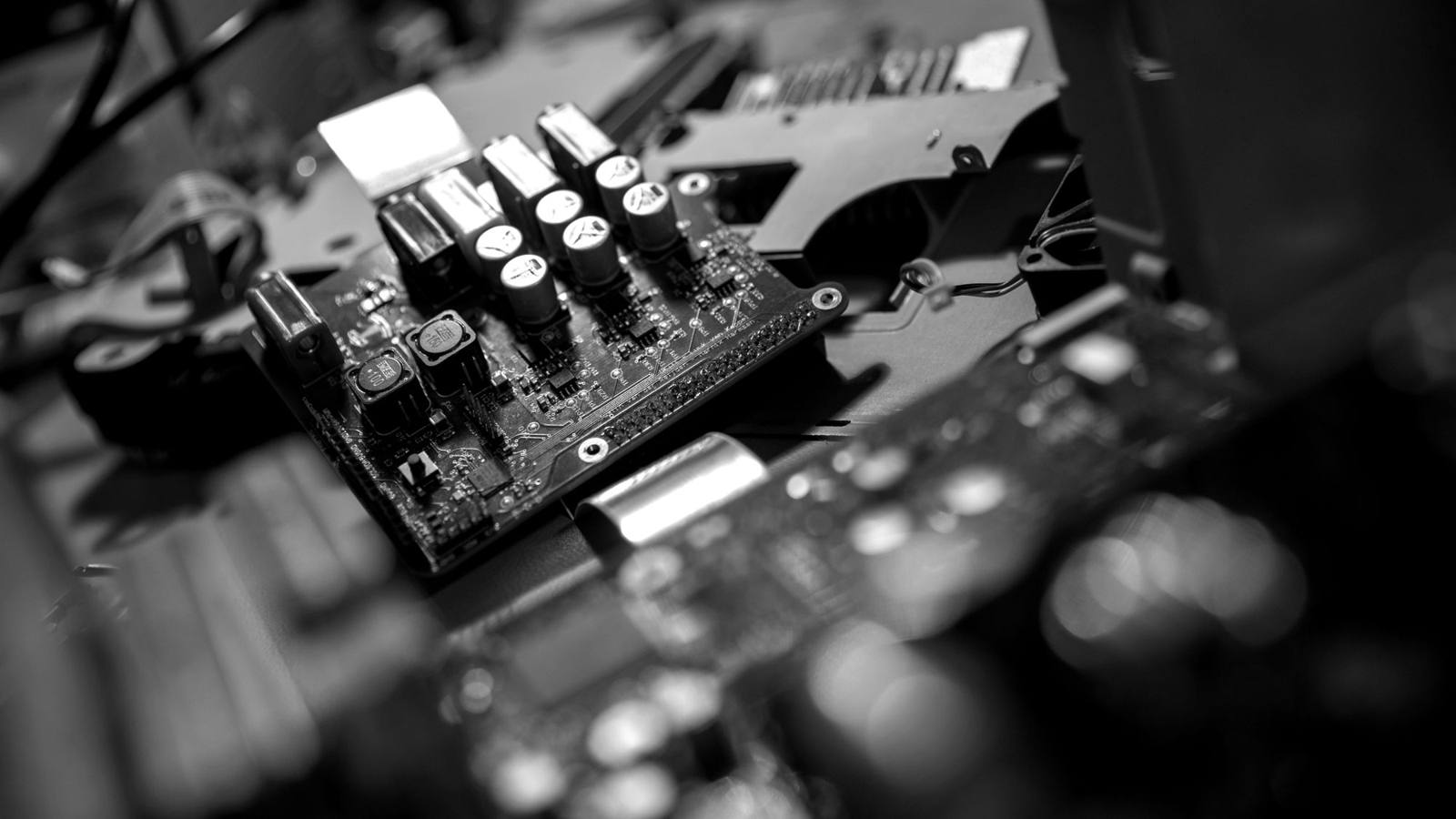
Software development — new algorithms or architectures where the technical approach has to be worked out by experiment, not routine build work.
Renewable energy — trialling new storage, conversion or efficiency approaches, materials and control systems.
Excluded as core R&D
Where claims go wrong
Market research, testing or sales promotion
Management studies and efficiency surveys
Meeting compliance or statutory requirements
Copying an existing product or process
Software mainly for internal administration
Clients we have helped












Supporting documentation
A claim is only as good as the records made at the time.
If AusIndustry or the ATO review your claim, they will ask for evidence created while the work was happening — not reconstructed afterwards.
Not sure? That is what the free assessment is for.
One conversation. You leave knowing whether there is a claim — and what records to start keeping.